

4x4 & Camping Accessories
- 17-Jun-2026
Top 10 Must-Have 4x4 Accessories for Your Next Desert Adventure
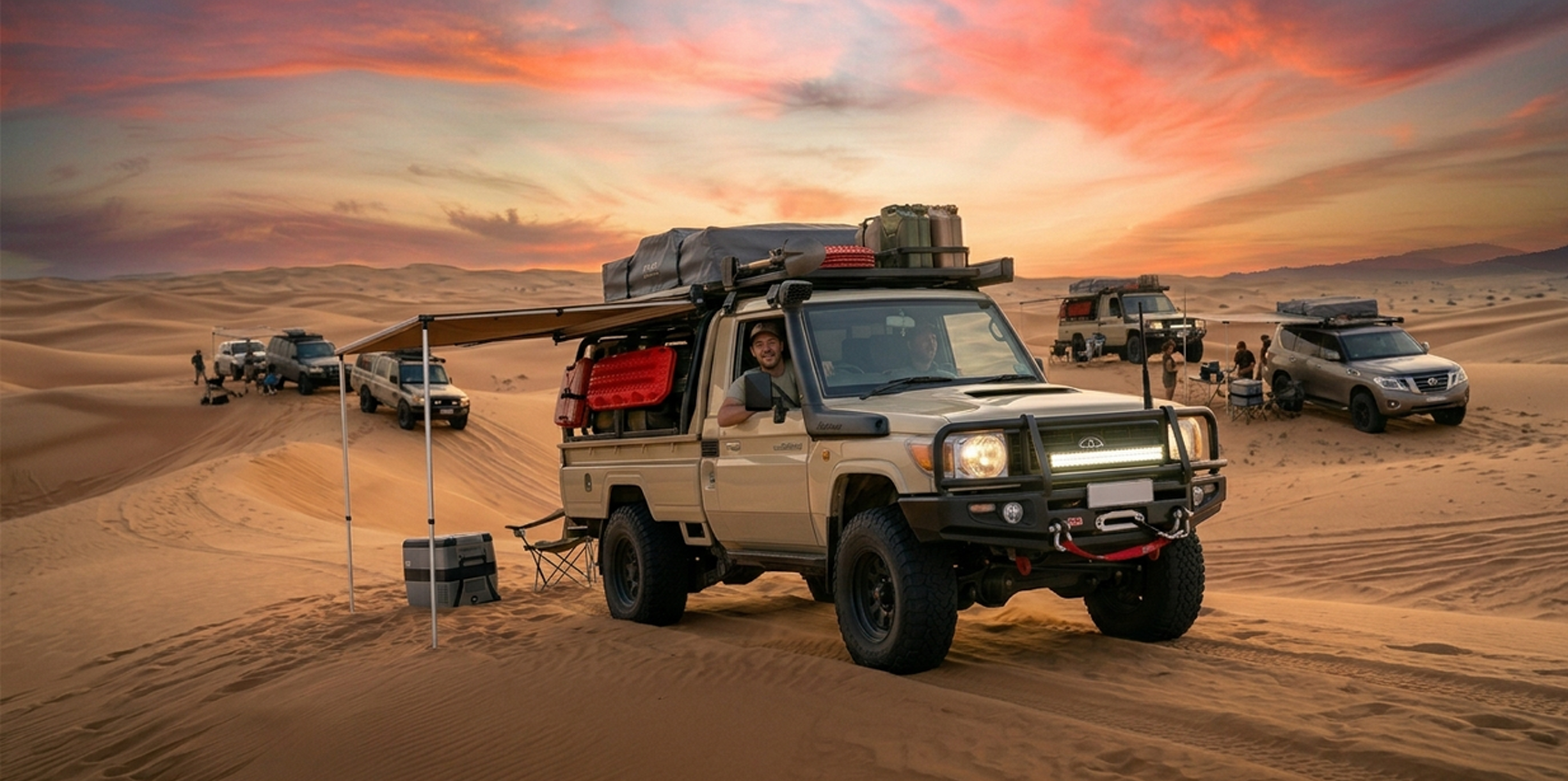
A desert adventure is one of the most exciting experiences for 4x4 owners. The open dunes, peaceful landscapes, golden sunsets and thrill of off-road driving make it a perfect weekend escape for families, friends and adventure lovers. However, a successful desert trip is not only about having a powerful 4x4 vehicle. It is about being properly prepared.
Many drivers enter the desert with confidence, but without the right accessories, even a short trip can become stressful. Soft sand, high temperatures, low visibility after sunset and limited mobile coverage can create challenges. That is why the right 4x4 and camping accessories are not just add-ons. They are important for safety, comfort and peace of mind.
Whether you are a beginner planning your first desert drive or an experienced off-road enthusiast upgrading your setup, here are the top must-have 4x4 accessories for your next desert adventure.
1. Recovery Kit
A recovery kit is one of the most important accessories for any 4x4 owner. Getting stuck in sand is common, even for experienced drivers. A good recovery kit usually includes a tow rope, rated shackles, gloves, a shovel and other recovery tools.
When your vehicle is stuck, these items help you recover safely without damaging the vehicle. It is important to choose recovery equipment that matches the weight and size of your vehicle. Low-quality ropes or weak shackles can be dangerous during recovery.
A recovery kit should always be kept in an easy-to-reach place. In an emergency, you do not want to unload your entire vehicle just to find it.
2. Portable Air Compressor
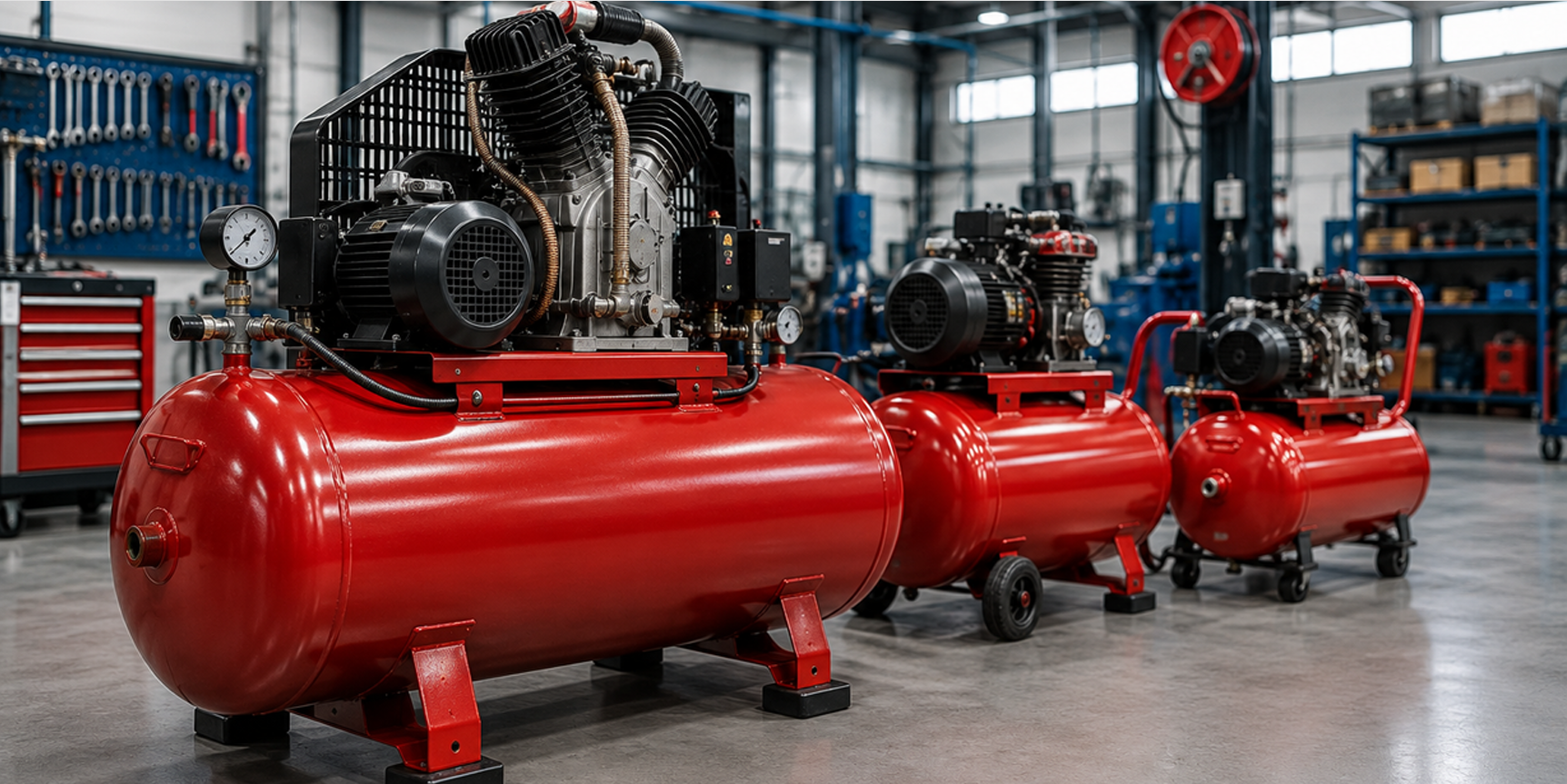
Before entering the desert, most off-road drivers reduce tire pressure to improve grip on soft sand. Lower tire pressure allows the tire to spread wider and float better on sand. However, once you return to the road, the tires must be inflated back to the correct pressure.
This is where a portable air compressor becomes essential. It allows you to refill your tires quickly before driving on highways. Driving on the road with low tire pressure can damage tires, increase fuel consumption and affect safety.
A good compressor should be strong, durable and suitable for 4x4 tires. It should also include a pressure gauge so you can monitor tire pressure accurately.
3. Traction Boards
Traction boards are extremely useful when a vehicle gets stuck in soft sand. They are placed under the tires to provide grip and help the vehicle move out. They are lightweight, easy to carry and can save a lot of time during recovery.
For solo drivers or small groups, traction boards are especially valuable. They reduce the need for another vehicle to pull you out. While they may seem simple, they can make a big difference in difficult situations.
Choose traction boards made from strong materials that can handle the weight of your vehicle.
4. Shovel
A shovel may look basic, but it is one of the most practical tools for desert driving. When a vehicle gets stuck, sand often builds up around the tires or under the chassis. A shovel helps clear the sand and create space for the tires to move.
Foldable shovels are easy to store and carry. For frequent desert users, a strong full-size shovel may be even better. It is one of those tools you may not use every trip, but when you need it, it becomes extremely important.
5. LED Light Bar and Portable Lights
Desert drives often continue into the evening, especially when people plan camping trips. Once the sun sets, visibility becomes limited. A good LED light bar or auxiliary driving lights help improve visibility when driving in dark areas.
Portable camp lights are also important. They help around the camping area, cooking space and vehicle setup. Good lighting makes the campsite safer and more comfortable.
When choosing lights, look for durability, water resistance and proper brightness. Avoid lights that are too harsh or poorly positioned, as they may disturb other drivers.
6. Roof Rack and Storage Solutions
Camping equipment can take up a lot of space. Tents, chairs, tables, coolers, water cans, bags and cooking items can quickly fill the vehicle. A roof rack or cargo box helps organize the load and keeps the cabin more comfortable.
Proper storage also improves safety. Loose items inside the vehicle can move around during off-road driving. This can be dangerous, especially during sudden braking or sharp dune movement.
A good roof rack should be strong, properly fitted and suitable for the vehicle’s load capacity. It should not overload the vehicle or affect balance.
7. Awning for Shade
The desert can become extremely hot during the day. An awning attached to the vehicle provides quick shade wherever you stop. It is useful for lunch breaks, family rest areas, camping, repairs or simply relaxing after a drive.
Awnings are easy to open and close, and they make the outdoor experience much more comfortable. For families, this is one of the best accessories because it creates a shaded area for children and elderly passengers.
Choose an awning that is strong enough to handle wind and easy to install.
8. Cooler Box and Water Storage
Water is not optional in the desert. It is a necessity. Every desert trip should include enough drinking water for all passengers, plus extra water for emergencies. A cooler box helps keep drinks and food fresh, especially during long trips.
For longer camping plans, insulated water containers and ice boxes are very useful. They help maintain temperature and improve comfort.
It is always better to carry more water than you think you need. Heat, delays and unexpected situations can increase water requirements quickly.
9. First Aid Kit and Fire Extinguisher
Safety should always come first. A first aid kit is essential for treating minor injuries, cuts, burns or headaches during a trip. It should include bandages, antiseptic wipes, pain relief medication, gloves and basic emergency items.
A fire extinguisher is also important. Vehicles, cooking equipment and campfires can create fire risks. A compact automotive fire extinguisher should always be kept inside the vehicle and checked regularly.
These items may not be used often, but they are critical in emergencies.
10. Navigation and Communication Tools
Mobile signal may not be reliable in remote desert areas. That is why navigation and communication tools are important. Offline maps, GPS devices and two-way radios help drivers stay connected and avoid getting lost.
For convoy driving, radios are very useful. They allow drivers to communicate about stops, stuck vehicles, route changes and safety warnings. Power banks and charging cables should also be carried to keep devices running.
Good communication can prevent confusion and improve group safety.
Final Thoughts
A desert adventure should be enjoyable, not stressful. The right 4x4 and camping accessories help you drive with confidence, handle unexpected situations and enjoy the outdoors comfortably.
For beginners, it is best to start with safety essentials such as a recovery kit, air compressor, traction boards, shovel, water storage and first aid kit. Once you become more experienced, you can add comfort and lifestyle accessories such as awnings, roof racks, camp lights and advanced storage systems.
A well-prepared 4x4 is not only about looking adventurous. It is about being ready for the adventure.

100% Customer Satisfaction

Genuine Accessories

Quality Service
